
The INTERMAC Master Table Shaving Process Explained
In this post, we’re going to detail the important aspects of the INTERMAC Master table shaving process. Understanding this procedure is crucial for maintaining the operational efficiency and precision of your CNC machinery.
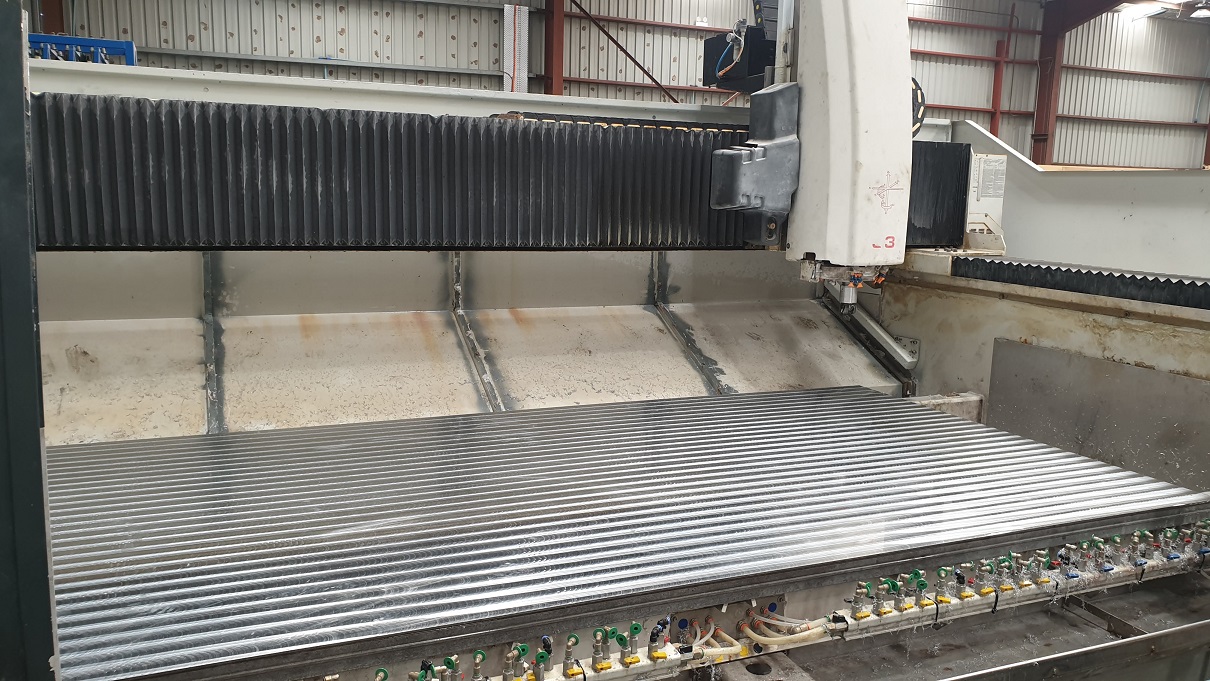
After any relocation of CNC machinery, even for brand new models, table rectification becomes essential. This process is essential to ensure the required accuracy and performance of these sophisticated machines. Furthermore, table shaving is also beneficial for removing old residues and maintaining optimal conditions.
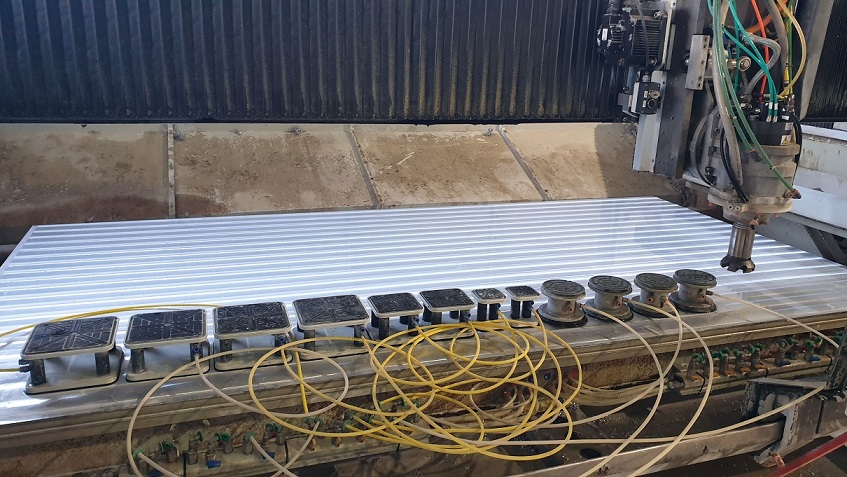
Additionally, it is highly recommended to rectify suction cups following the table shaving process. Ensuring that suction cups are appropriately maintained will enhance their performance, providing better hold and accuracy during operations.

For effective table shaving, it is advisable to use an 80mm face cutter with a long sleeve. This specific type of cutter allows for a thorough and efficient shaving process, ensuring optimal flatness and surface smoothness.
On the INTERMAC Master machines, there is a standard file named “RETTIFICA_MASTER.CNI” located in the iso/COLLAUDO directory on the machine’s computer. Proper tool height measurement is crucial during this process. Each machine has its unique X and Y sizes that must be accounted for. This program utilizes loops to ensure comprehensive coverage of the entire table area.
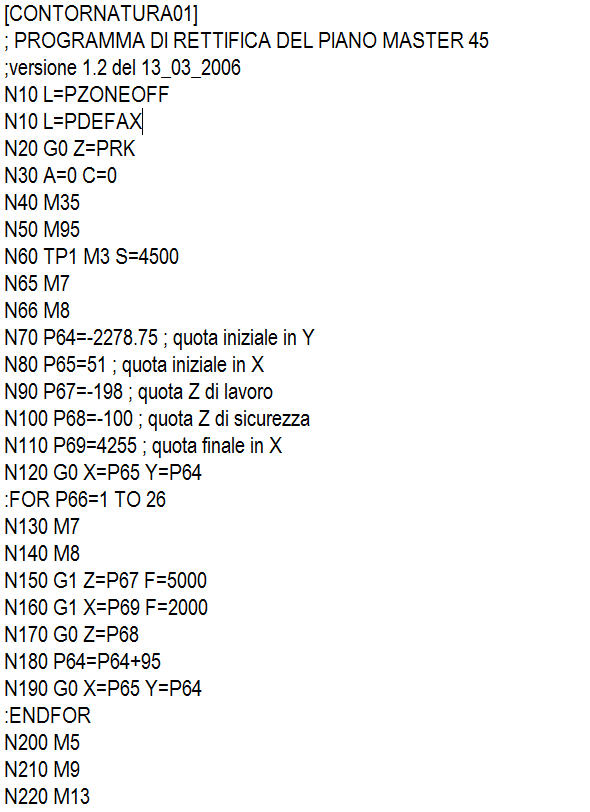
This process is not limited to INTERMAC Master machines; it is popular among various CNC machine brands within the stone and glass polishing industry. Regular table shaving ensures precision and prolongs the machinery’s lifespan.
Even for stone bridge saws, operators routinely perform table shaving with a thick disk cutter to maintain accuracy and surface quality. This maintenance practice contributes significantly to the overall effectiveness of these cutting machines.
Similar maintenance is necessary for Biesse and other brands of woodworking CNCs, where periodic skimming helps preserve the integrity of the machine’s table. Often, a spoil board is employed to prevent wear on the primary machine table.